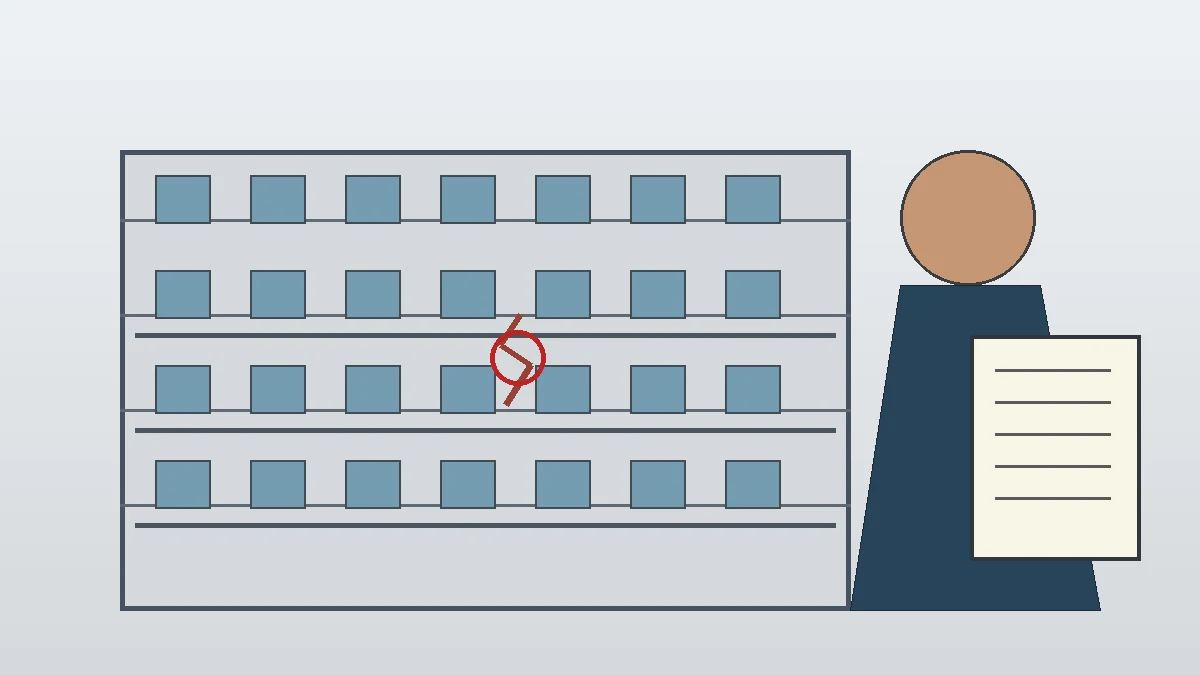
This page has one narrow job: help a buyer understand the milestone-inspection record for a particular condominium building. It does not replace the broader condo-financing review, a structural integrity reserve study, an engineering opinion, association-document review, or legal advice.
How this page differs from broader condo due diligence
Condo due diligence includes budgets, insurance, reserves, litigation, assessments, rules, financing, and unit condition. This guide stays focused on the building’s milestone-inspection status and the paper trail that connects the inspection to repair decisions.
Which buildings may be subject to milestone inspection
Florida law generally applies milestone-inspection requirements to qualifying condominium and cooperative buildings that are three stories or more in height, subject to statutory exceptions and local enforcement. The building’s age is normally measured from its certificate of occupancy. Current state law and local notices should be checked because deadlines and enforcement details can change.
Phase 1 and Phase 2 are not the same
| Document or stage | What it generally does | What it does not prove |
|---|---|---|
| Phase 1 milestone inspection | A visual examination of habitable and nonhabitable areas by a Florida-licensed architect or engineer to identify substantial structural deterioration. | It does not guarantee that concealed conditions are absent or that no future repairs will be needed. |
| Phase 2 milestone inspection | A more extensive inspection when Phase 1 identifies or cannot rule out substantial structural deterioration. | It does not automatically provide a final repair price, schedule, or funding plan. |
| Repair design, permit, or completion record | May show the scope approved, work authorized, inspections completed, and professional sign-off. | A proposal, invoice, or permit application alone does not prove completion. |
| Structural integrity reserve study | Reviews specified reserve components and funding needs. | It is not the same document or purpose as the milestone inspection. |
Documents a buyer should request
- The local enforcement notice requiring the inspection, if issued.
- The complete signed and sealed Phase 1 report.
- The complete Phase 2 report if one was required.
- Engineering addenda, repair recommendations, and follow-up letters.
- Board minutes discussing findings, repair decisions, financing, or assessments.
- Permits, contracts, progress records, inspection approvals, and completion evidence.
- The current structural integrity reserve study and association budget, reviewed separately.
- Written confirmation of any unresolved deadlines, enforcement action, or repair obligation.
Read the findings, not only the cover page
Look for the engineer’s actual conclusion, areas excluded from review, testing limitations, photographs, recommended next steps, and whether the report calls for a Phase 2 inspection or immediate repairs. Words such as “monitor,” “further evaluation,” “temporary,” or “repair recommended” need context from the professional who issued the report.
Connect findings to repair and closure evidence
A repair plan can change after opening walls or exposing concrete. Ask whether work was designed, permitted, funded, started, inspected, and completed. Then ask whether the original engineer or another qualified professional issued written confirmation addressing the milestone findings.
A fresh repair, new paint, scaffolding removal, or a paid contractor invoice does not by itself prove that the structural issue has been fully resolved.
Separate structural status from the buyer’s financial decision
Milestone findings can affect repairs, reserves, insurance, financing, assessments, marketability, and closing timing. There is no safe universal repair cost or assessment amount. Review the association’s current budget, reserve study, contracts, loans, special-assessment notices, owner balances, and meeting minutes with the correct professionals.
For financing questions, use the Florida condo financing and association-approval guide. Lender approval does not replace the buyer’s own review of structural records and future payment risk.
Questions to ask before closing
- Is this building subject to Florida’s milestone-inspection requirement, and what written evidence supports that answer?
- Was Phase 1 completed? Did it require Phase 2?
- What substantial structural deterioration, limitations, or follow-up work did the report identify?
- Which repairs are complete, in progress, funded, permitted, or still unresolved?
- What written completion or engineer follow-up exists?
- Are there pending assessments, association loans, insurance changes, deadlines, or enforcement matters?
- What should my attorney, lender, insurer, engineer, and association-document reviewer verify before my decision deadline?

