Start With the Exact Home
A street or neighborhood name is not enough. Review the exact parcel, house, additions, permits, and repair history.
Two nearby homes can share the same age and still have very different systems and risks.
Old does not mean bad. Unverified work and hidden wear create the real risk.
Confirm Age, Additions, and Historic Status
Coral Gables has many older homes and historic resources. A home may need city review for some exterior work or changes.
“Historic designation,” “historic determination,” “Certificate of Appropriateness,” “Board of Architects,” or “permit required.”
Some work may need extra review before a permit can be issued.
- Confirm the year built and parcel record.
- Ask whether the home is designated or in a historic area.
- Review old additions and exterior changes.
- Check whether planned work needs board review.
- Keep written city guidance with the project file.
Read the Permit History
A finished room, roof, window, or system may not match the permit record. Compare the home with city files.
“Permit issued,” “inspection approved,” “inspection rejected,” “final inspection,” “expired,” or “closed.”
A permit can exist without a final approval. A closed file does not prove the work is still sound.
- Additions: check rooms, baths, porches, garages, and guest areas.
- Roof: match the roof age with permits and invoices.
- Windows and doors: check product and permit records.
- Electrical and plumbing: review panel, wiring, pipe, and water-heater work.
- HVAC: confirm replacement and inspection records.
Inspect Structure, Settlement, and Moisture
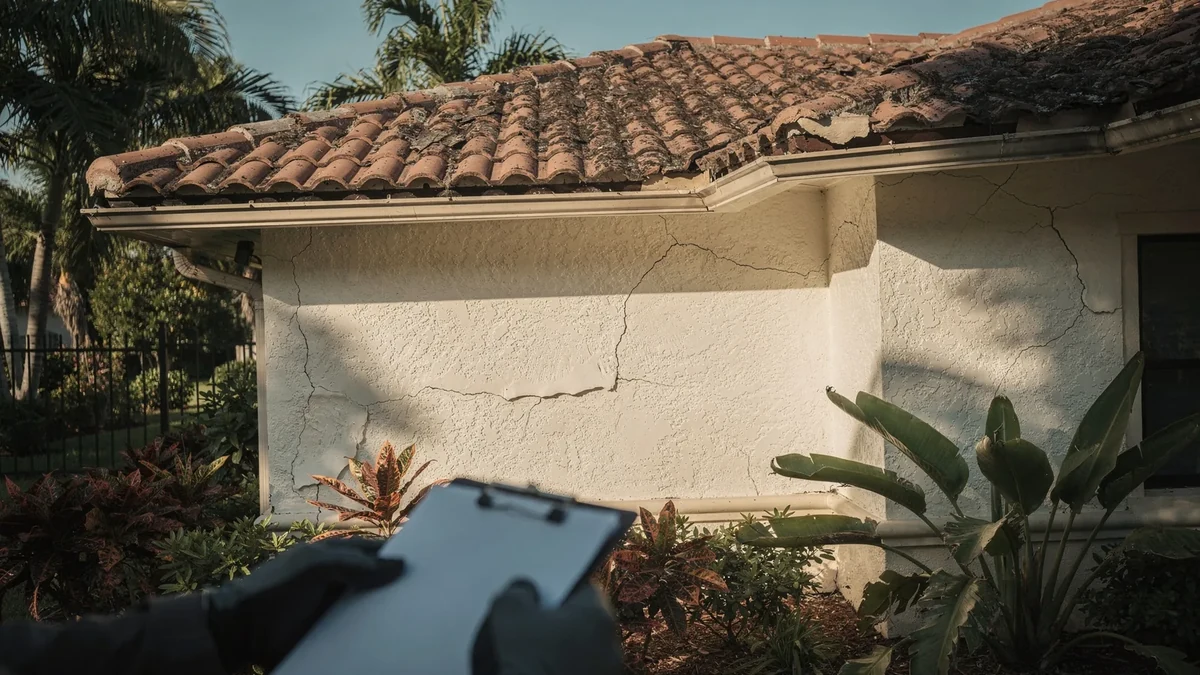
Older masonry, wood, and stucco can show cracks, movement, rot, or water entry. One crack does not prove a major defect.
- Review wall, ceiling, floor, and foundation cracks.
- Check doors and windows that bind or lean.
- Look for stains, soft wood, peeling paint, and musty areas.
- Inspect roof edges, flashings, balconies, and wall joints.
- Use an engineer when movement needs expert review.
Check the Roof and Insurance Timing
Roof age, type, condition, permits, and useful life can affect repairs and insurance. A visual estimate is not enough.
- Inspector: review visible condition and leaks.
- Roofer: estimate repair or replacement when needed.
- Insurer: confirm current roof and inspection rules.
- Permit record: verify the installed roof and closeout.
- Budget: keep room for near-term roof work.
Review Plumbing and Sewer Risk
Older homes may have cast iron drains, galvanized supply lines, mixed repairs, or hidden leaks. Age alone does not prove failure.
- Identify visible supply and drain materials.
- Check pressure, flow, leaks, and water damage.
- Consider a sewer camera for older buried drains.
- Review water-heater age and permits.
- Use a plumber for scope and cost questions.
Check Electrical Safety and Capacity
Older panels, wiring, grounding, outlets, and added circuits may need repair or insurance review.
- Panel: identify the brand, size, condition, and permits.
- Wiring: check visible type, repairs, and damage.
- Protection: review grounding, GFCI, and AFCI where relevant.
- Added loads: check pools, kitchens, HVAC, and electric vehicles.
- Electrician: use a licensed expert for safety and upgrade scope.
Inspect HVAC, Ducts, and Ventilation
System age matters, but condition, sizing, ducts, drainage, and service history matter too.
- Run the system during the inspection.
- Check age, model, service, and permit records.
- Inspect drain lines and moisture near the air handler.
- Review ducts, returns, and room comfort.
- Ask for a replacement estimate when the system is near the end of life.
Handle Pre-1978 Paint Carefully
EPA says homes built before 1978 are more likely to contain lead-based paint. Deteriorated or disturbed paint can create risk.
- Disclosure: review the seller’s lead form and records.
- Condition: look for peeling, chalking, or damaged paint.
- Testing: use a qualified lead professional when needed.
- Renovation: use lead-safe work practices for covered work.
- Children: ask a health professional about personal health concerns.
Check Flood, Drainage, and Elevation
Coral Gables and Miami-Dade provide flood and elevation tools. Search the exact address, not only the neighborhood.
- Confirm the current flood zone.
- Ask whether an elevation certificate exists.
- Review low areas, drains, swales, canals, and nearby water.
- Ask about past water entry and drainage work.
- Get property-specific flood and home insurance quotes.
Get Insurance Answers Early
An older home can face roof, wiring, plumbing, wind, and four-point questions. Carrier rules and prices can change.
- Four-point report: ask whether one is required.
- Wind report: confirm accepted roof and opening features.
- Flood policy: review zone, limits, deductible, and start date.
- Home policy: check exclusions, deductibles, and repair limits.
- Quote timing: get written options before contract deadlines end.
Plan Renovation Before You Buy
A repair plan should include design, permits, historic review, specialists, hidden conditions, and time.
The repair price is only one part of the project. Approval, access, and hidden work can change the plan.
- Separate urgent safety work from later upgrades.
- Get written scopes from the right trades.
- Ask which work needs city or historic review.
- Add a reserve for hidden conditions.
- Do not rely on one rough number for every repair.
Use Official Coral Gables Resources
Official records help verify the property. They do not replace inspections, estimates, or legal advice.
Questions to Ask Before You Commit
- What is the verified year built?
- Is the home historic or subject to added review?
- Do all additions and major systems have clear permits?
- What do the structure and moisture findings show?
- What are the roof, plumbing, electrical, and HVAC conditions?
- Does pre-1978 paint need testing or safe work controls?
- What flood and insurance quotes apply to this address?
- Which repairs need specialists or city approval?
- What is the realistic repair range?
- How much reserve should remain after closing?
A Calm Coral Gables Buying Plan
First verify the home, permits, historic status, structure, roof, systems, moisture, lead, flood, and insurance.
Then compare specialist findings, repair scopes, approvals, and the full cost.
