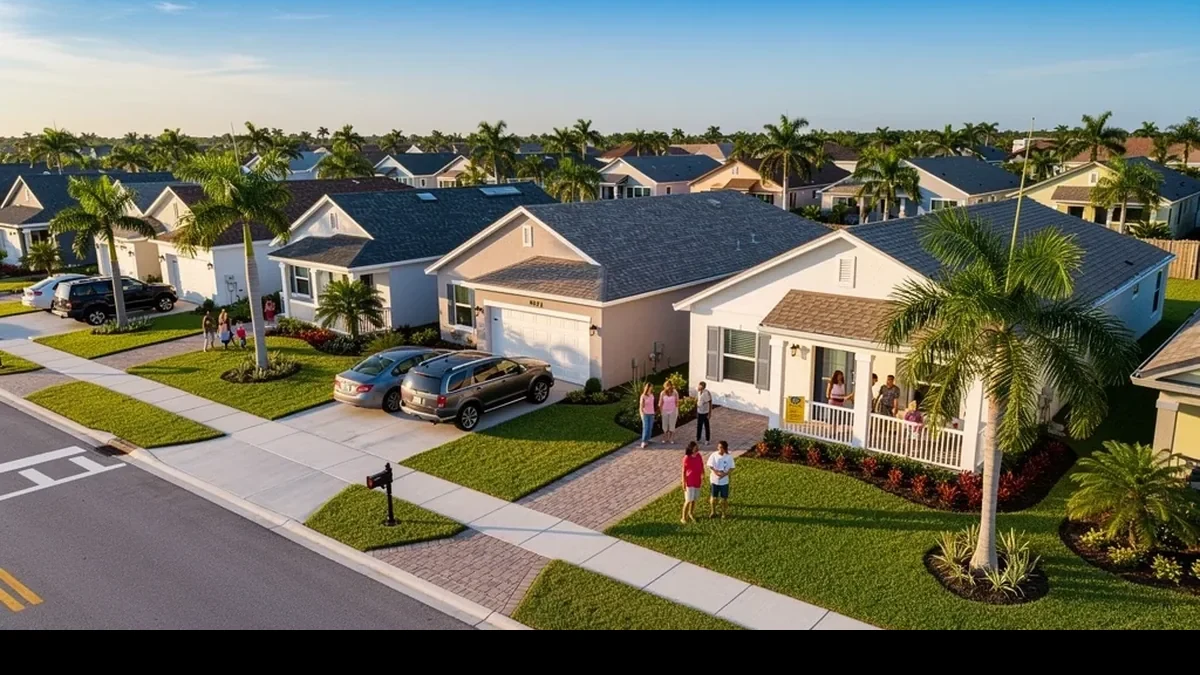
Start With the Exact Address and Lot
A sales center may cover several phases, plans, or lots. Review the exact address, parcel, contract, and build stage.
The model shows one version. The contract and approved plans control what the builder must deliver.
You are not buying the model. You are buying one lot, one permit record, one contract, and one finished home.
Know Who Each Person Represents
The builder’s sales representative works for the builder. A buyer may use a separate agent when the current process allows it.
“Broker,” “buyer’s agent,” “registration,” “procuring broker,” or a deadline for naming the buyer’s representative.
The builder may require your agent to be named at the first visit.
- Ask whether the first visit starts a registration deadline.
- Confirm who works for the builder and who advises you.
- Keep the registration email or signed form.
- Do not assume every builder uses the same rule.
Confirm City Limits and Zoning
A Florida City mailing address may be outside the city limits. Confirm the parcel and the permit office.
- City limits: check whether the parcel is inside the city.
- Folio number: use the parcel ID for official property records.
- Zoning: check the allowed land use and nearby districts.
- Future land use: review maps and pending plans near the lot.
- Utilities: confirm water, sewer, power, trash, and internet providers.
Read the Permit and Inspection Record
Florida City offers online permit, inspection, planning, and code records through Community Development.
“Permit issued,” “inspection approved,” “inspection rejected,” “final inspection,” “certificate of occupancy,” or “permit closed.”
The home moves through separate checks. One approved inspection does not prove that all work is complete.
- Confirm the main building permit and permit number.
- Review electrical, plumbing, mechanical, roofing, and other trade records.
- Check failed inspections and later corrections.
- Confirm final inspections and occupancy approval before closing.
- Save the final record with your closing papers.
Check Flood and Drainage Conditions
Miami-Dade County and FEMA provide official flood tools. Search the exact parcel or address.
A flood map matters, but water can also collect from grading, pavement, drains, or heavy rain.
- Flood zone: confirm the exact parcel designation.
- Elevation: ask whether an elevation certificate exists or is needed.
- Finished grade: ask how water will move away from the home.
- Stormwater: locate swales, drains, ponds, canals, and service areas.
- Insurance: get quotes for the exact address before key deadlines.
Price Insurance Early
A new roof and current code can help an insurance review. They do not guarantee a price or coverage.
- Request homeowners and flood quotes for the exact address.
- Ask which wind and opening records are needed.
- Confirm deductibles, exclusions, and inspection rules.
- Ask whether the quote can change before closing.
- Add insurance to your healthy monthly budget.
Build the Full Cost
The base price may exclude the lot, upgrades, closing costs, HOA dues, CDD costs, insurance, and taxes.
A seller’s old tax bill may not predict your next bill. A new home also needs a realistic completed-value estimate.
- Builder: request the full price sheet and upgrade total.
- Lender: compare payment and cash-to-close options.
- Property Appraiser: review the parcel and a tax estimate.
- HOA or district: confirm recurring and one-time charges.
- Your budget: keep money for moving, windows, appliances, and reserves.
A lower base price can still lead to a higher payment after taxes, insurance, HOA, CDD, and upgrades.
Study the Lot and Nearby Land
The same plan can feel different on another lot. Review traffic, sun, drainage, privacy, easements, roads, and future projects.
- Compare the lot premium with the feature you will use.
- Locate utility boxes, mail areas, gates, ponds, and roads.
- Ask what can be built beside or behind the lot.
- Check yard space after setbacks and easements.
- Visit at different times when possible.
Use Independent Construction Inspections
City inspections check code items. A buyer’s inspector reviews the home for the buyer’s own decision.
- Pre-drywall: useful when the builder allows access before walls close.
- Final inspection: review the finished home before closing.
- Walk-through: record damaged, missing, or wrong items.
- Warranty review: consider another check before a key deadline.
- Specialists: use the right expert when an issue needs one.
Slow Down at the Builder Contract
Builder contracts can set deposits, delays, change orders, inspection access, loan deadlines, closing duties, and dispute steps.
- Identify every deposit and when it becomes nonrefundable.
- Read the completion and delay language.
- Confirm included features, options, and substitutions.
- Review preferred-lender incentive conditions.
- Ask a Florida attorney to explain legal risk.
Use Official Florida City Records
Official records help verify the property. They do not replace a review of the home, contract, survey, or policy.
Questions to Ask Before You Commit
- Who represents the builder, and who represents me?
- Was my agent registered under the current rule?
- Is this parcel inside Florida City?
- Which office controls the permits and inspections?
- What permits and final inspections remain open?
- What is the flood zone and drainage plan?
- What insurance quotes apply to this exact home?
- What is the full price after lot, upgrades, fees, and closing?
- What taxes should I budget after completion?
- Which contract terms need a Florida attorney’s review?
A Calm Florida City Buying Plan
First identify the home and lot. Then verify the agent, zoning, permits, flood, insurance, taxes, fees, inspections, and contract.
A new home can be a strong fit. The goal is to understand the full decision before a sales deadline drives it.