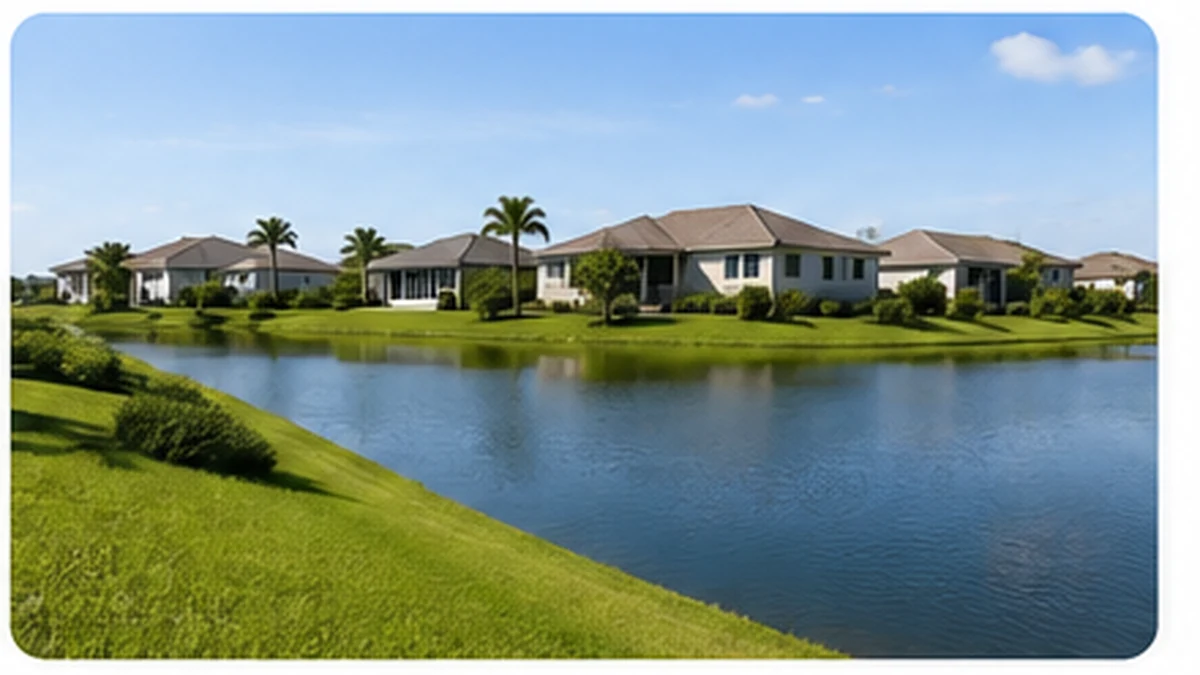
Lot Choice Is More Than a View
A homesite is the land where the builder places your home. The floor plan may stay the same, but daily life can feel different.
A higher premium does not always mean a better lot. The right choice depends on privacy, traffic, sun, drainage, future plans, and your needs.
You can change paint, flooring, and cabinets later. You usually cannot move the road, lake, utility box, or neighboring lot.
What a Lot Premium Means
The base price usually covers a standard home and lot. A lot premium is an added price for a certain location or feature.
“Homesite premium,” “lot premium,” “water-view premium,” “corner-lot premium,” or another separate price tied to the selected lot.
The builder is charging more for that location. Confirm the amount, the feature, and whether the premium is inside the contract price.
- Water or preserve lots: may offer a view, but verify setbacks, maintenance areas, insects, flood context, and future access.
- Corner lots: may provide more side exposure, but can bring added traffic, sidewalks, setbacks, or landscaping duties.
- Cul-de-sac lots: may reduce through traffic, but driveway shapes and front-lot widths can vary.
- Oversized lots: may create more yard space, but confirm the usable area rather than the total lot size.
- Interior lots: may cost less and still fit the buyer’s real needs.
Read the Site Plan Before Choosing
The sales map is useful, but it may be simplified. Ask for the latest site plan, recorded plat, or other controlling document when available.
“Easement,” “setback,” “drainage tract,” “utility area,” “lake maintenance access,” “future phase,” or “right-of-way.”
Part of the lot may have limits or a future use. The label can affect fences, additions, privacy, access, or drainage.
- Locate the front, rear, and side boundaries.
- Mark every easement and setback shown.
- Identify drainage, utility, lake, canal, and maintenance areas.
- Check nearby roads, gates, mail areas, trash areas, and amenities.
- Check whether nearby land is a future phase or separate parcel.
Study Elevation, Drainage, and Flood Context
Water movement matters in Florida. A beautiful lot can still collect runoff or sit near a low area.
FEMA’s Map Service Center is the official public source for flood maps. A flood map is only one part of the drainage review.
- Finished grade: ask how the land will slope around the house.
- Stormwater path: ask where water is designed to flow after heavy rain.
- Drainage structures: identify swales, inlets, ponds, canals, and maintenance areas.
- Flood map: review the exact address or parcel with the proper professional.
- Insurance: ask how the homesite and elevation affect available coverage and cost.
Check Sun, Heat, Noise, and Traffic
Visit the homesite at more than one time of day when possible. Morning and evening conditions can feel very different.
- Notice where the afternoon sun reaches the rear yard and main windows.
- Listen for road, gate, amenity, school, aircraft, or construction noise.
- Watch vehicle and pedestrian traffic near the lot.
- Check headlights, streetlights, and common-area lighting.
- Think about delivery, trash, mail, and service activity.
Look Beyond Today’s View
An open field may not stay open. A view can change when another phase, road, school, utility site, or business area is built.
- Future phases: ask what is approved, planned, or still unknown.
- Adjacent parcels: check ownership and current land-use information.
- Model-home areas: ask what will replace temporary parking or sales facilities.
- Construction timing: ask how long nearby building activity may continue.
- Promises: separate written contract terms from informal sales statements.
Measure the Usable Yard
A larger lot does not always create a larger usable yard. Setbacks, easements, slopes, equipment, drainage, and landscaping can reduce the space.
- Ask for the proposed home placement on the lot.
- Confirm driveway, patio, pool, and fence space.
- Locate utility equipment and air-conditioning pads.
- Check HOA rules for fences, sheds, pools, and landscaping.
- Ask whether the premium reflects total area or usable area.
Put the Premium Into the Full Budget
A lot premium can raise the price, down payment, loan amount, taxes, and cash needed to close. The effect depends on the loan and appraisal.
A lender’s approval is not the same as a healthy payment for your life. Compare the premium with the benefit you will actually use.
- Lender: ask how the premium changes payment and cash needed to close.
- Appraiser: the lender’s appraisal may not value every premium dollar the same way.
- Insurance professional: ask whether location or flood context changes cost.
- Tax office or closing professional: ask how the completed property may be assessed.
- Your own budget: decide what feature matters enough to justify the added cost.
Use a Homesite Comparison Sheet
Compare lots side by side. Do not rely on memory after several community visits.
- Base home price.
- Lot premium.
- View and privacy.
- Sun and heat exposure.
- Traffic and noise.
- Drainage and flood context.
- Easements and setbacks.
- Usable yard.
- Future surroundings.
- Total monthly and closing impact.
Questions to Ask Before You Reserve the Lot
- What is the exact lot premium, and where is it written?
- Which feature supports that premium?
- Is the premium refundable if the contract ends?
- What easements, setbacks, or maintenance areas affect the lot?
- Where will water flow after heavy rain?
- What can be built on the nearby parcels?
- What parts of the view are temporary?
- How much yard remains after the home, setbacks, and equipment?
- How does the premium affect financing and cash needed to close?
- Which statements are binding contract terms?
A Calm Decision Rule
Pay for a feature because it improves your daily life or supports a clear long-term goal. Do not pay only because the sales map labels it “premium.”
The premium is a price. The homesite is the lived experience. Compare both before you decide.