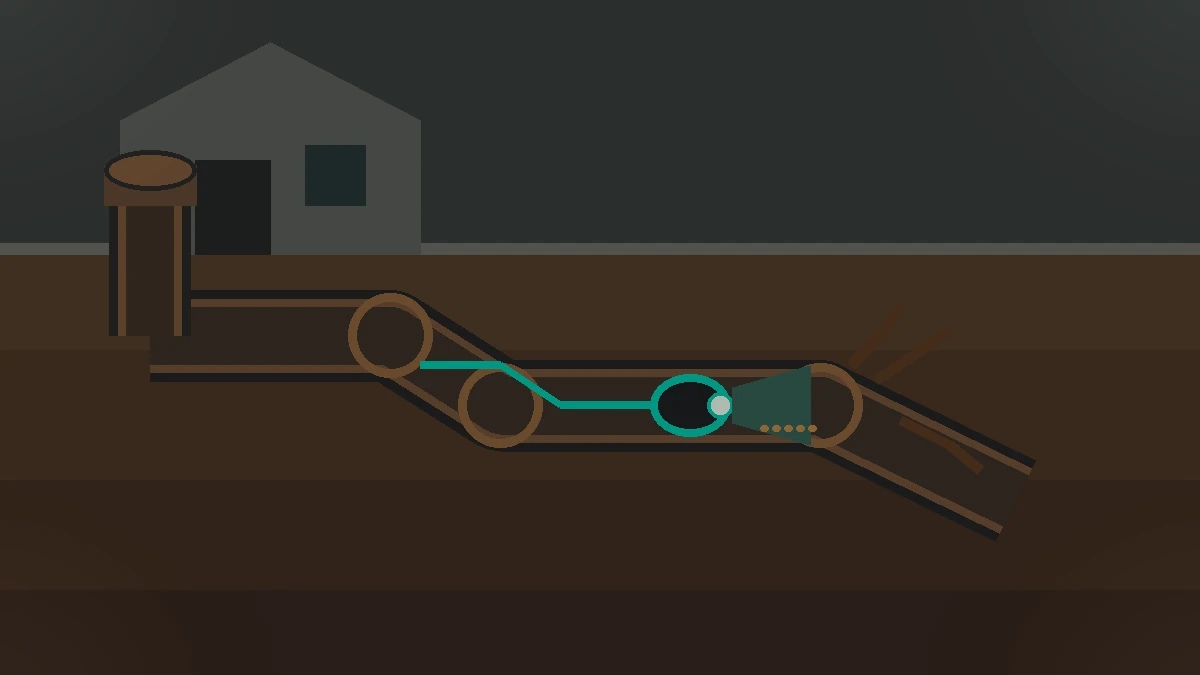
A normal home inspection can test fixtures and observe drainage during the visit. It usually cannot show the inside of the main building drain or private sewer lateral. A sewer scope adds a camera view so the buyer can see conditions that may otherwise remain hidden until a backup, leak, or excavation is needed.
What a sewer scope inspection is
A plumbing professional inserts a flexible camera through a cleanout or another suitable access point. The camera travels through the drain or sewer line while the operator records the interior. The video may show pipe material, joints, buildup, roots, standing water, cracks, offsets, breaks, and sections that could not be passed.
A useful report should identify the access point, direction of travel, approximate distance reached, observed material, important defects, and whether cleaning or a second inspection is recommended.
Know which pipe was inspected
| System | What it does | What the buyer should confirm |
|---|---|---|
| Interior branch drains | Carry wastewater from individual fixtures toward the main drain. | Whether any branches were scoped or only tested through fixtures. |
| Building drain | Collects interior drainage beneath or immediately outside the structure. | Material, accessible route, low spots, offsets, cracks, and buildup. |
| Private sewer lateral | Connects the building drain to the public sewer main. | Property-side limits, distance reached, roots, joints, collapse, and ownership. |
| Public sewer main | Carries wastewater through the municipal collection system. | Whether the private inspection reached it and who controls or repairs that segment. |
The words “sewer line” are often used loosely. Ask the professional to state exactly which section was inspected and where the camera stopped.
When a sewer scope may be especially useful
- older homes with cast-iron, clay, Orangeburg, or mixed drain materials;
- properties with mature trees near the likely sewer route;
- homes with slow drains, recurring stoppages, odors, backups, or prior drain repairs;
- properties where the main drain runs beneath slabs, additions, driveways, pools, or landscaping;
- renovated homes where visible plumbing is newer but concealed or underground piping may be older; and
- transactions where the buyer wants a video baseline before closing.
Age alone does not prove failure. Newer systems can also have construction debris, poor joints, settlement, or damage. The decision to scope should follow the property, symptoms, materials, access, and the buyer's risk tolerance.
What common findings may mean
| Finding | Possible meaning | Next professional question |
|---|---|---|
| Root intrusion | Roots may be entering through a joint, crack, or opening. | Is cleaning enough, or is the pipe structurally damaged? |
| Offset joint | Two pipe sections may no longer align correctly. | Does the offset restrict flow or indicate settlement? |
| Standing water or a belly | A low section may be holding water instead of draining fully. | How long is the affected section, and what repair method is practical? |
| Crack, break, or collapse | The pipe may be structurally damaged. | Can it be lined, spot-repaired, or must it be replaced? |
| Heavy scale or buildup | The usable opening may be narrowed. | Should the line be cleaned and rescoped before conclusions are made? |
| Camera cannot pass | An obstruction, sharp turn, damage, or access limitation may exist. | What additional access, cleaning, or testing is needed? |
Important limits of the inspection
The camera view can be limited by standing water, grease, debris, tight bends, missing cleanouts, traps, poor access, or an obstruction. A clear-looking video also does not measure every structural property of the pipe or guarantee future performance.
A scope from one access point may not include every branch. It may also stop before the property line or public main. The buyer should receive the actual video when practical, not only a verbal summary.
Cleaning before or after the scope
Sometimes a line must be cleaned before a meaningful camera review can be completed. Cleaning can remove roots, grease, scale, or debris, but it does not automatically repair the opening that allowed roots in or the defect that created the blockage.
If the first video is blocked or unclear, ask whether a documented cleaning and second scope would provide better evidence before the inspection deadline.
Who may be responsible for a problem
Responsibility can change by municipality, utility, easement, property type, condominium documents, and the exact location of the defect. Do not assume the city owns everything outside the house or that the homeowner owns everything to the public main.
Ask the local utility or municipality where private responsibility ends. For condos, townhomes, and associations, review the governing documents and confirm whether the affected line serves one unit or multiple properties.
Repair options are not one-size-fits-all
Possible solutions may include cleaning, root treatment, spot excavation, pipe lining, pipe bursting, rerouting, or full replacement. The best option depends on material, location, diameter, access, structural condition, permits, nearby improvements, and local code requirements.
Do not compare two estimates only by total price. Compare the start and end points, length, diameter, excavation, access restoration, permits, cleanouts, testing, warranties, and what happens if hidden conditions are found.
Questions to ask the plumbing professional
- Where did the camera enter, and which direction did it travel?
- How many feet were inspected, and did the camera reach the public connection?
- What pipe materials and sizes were visible?
- Were roots, offsets, cracks, standing water, scale, or breaks observed?
- Was any section hidden by water or debris?
- Should the line be cleaned and rescoped?
- Which findings are maintenance issues, and which are structural defects?
- What repair options are practical for this property?
- What permits, utility coordination, or surface restoration may be required?
- Can I receive the video, still images, written findings, and a detailed estimate?
Use the findings inside the contract timeline
The sewer video, repair estimate, permit research, utility answer, and negotiation may take different amounts of time. A buyer should know the inspection-period deadline and avoid waiting until the final day to request additional evaluation.
Possible paths may include accepting the property as-is, gathering more information, negotiating a credit or price change, requesting seller work, planning buyer work, or deciding not to proceed when the contract allows. The right path depends on the property, contract, budget, findings, and professional advice.
Documents worth keeping
- the complete sewer-scope video and date;
- the operator's written findings and photographs;
- a diagram or distance notes showing the inspected route;
- cleaning invoices and the post-cleaning video when applicable;
- repair estimates with start and end points;
- permits, inspections, warranties, and closeout records for completed work; and
- written utility or association guidance about responsibility when relevant.
Your next calm step
First, confirm that a usable access point exists. Second, ask for a recorded inspection that identifies the distance and section viewed. Third, obtain a written repair scope when a material defect is found. Finally, verify responsibility and permit requirements before important contract deadlines.
Continue with the contractor-informed homebuyer guide, compare the galvanized plumbing buyer guide, and review the polybutylene plumbing buyer guide.

